

The Fourth of July Bar: Drinks for a Crowd in the Heat
The Fourth is the hardest hosting day of the year. Build a bar that runs itself and go run the grill.
The Fourth of July is the hardest hosting day of the year. The party is outdoors, the temperature is fighting every drink you make, the guest list is bigger than your glassware, and you are also running the grill.
Making drinks to order under those conditions fails by the second round. The answer is a bar that runs itself: built in the morning, explained on a card, and stocked so guests handle their own refills while you cook.
Offer three drinks, not ten
Offer one batched cocktail, one long drink built by formula, and one non-alcoholic drink made with the same care. That covers the whole yard, and nothing on the list needs a bartender standing behind it.
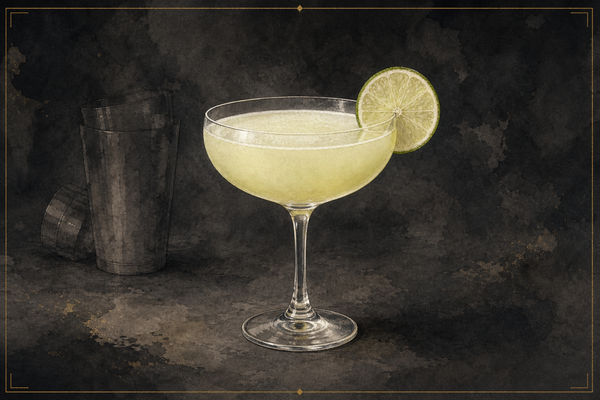
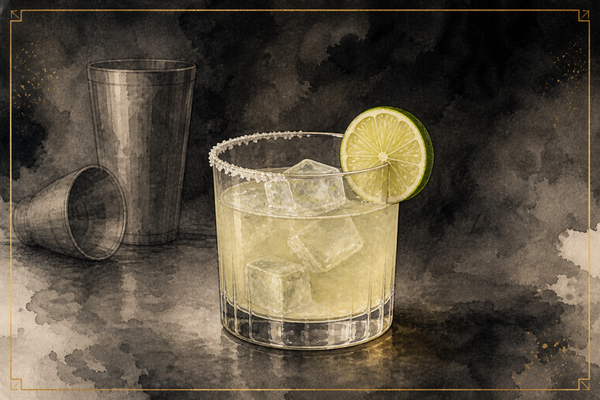
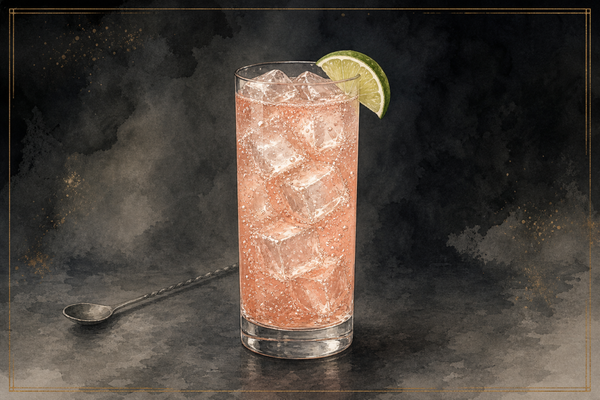
Pick the batch for the weather. Citrus-forward and cold wins in July: a Daiquiri, a Margarita, or a Tom Collins scaled up. A spirit-heavy stirred drink fights the heat and loses. Save the Manhattans for November.
Batch with the heat in mind
Dilution does not wait for you outdoors. Ice starts melting as soon as it hits the cup, and a batch that tasted right in the kitchen turns watery in the sun.
So batch stronger than you would for an indoor party: add less water up front and let serving ice close the gap over the afternoon. The full dilution math is in Batch Cocktails Without Wrecking Them. Scale the spec with a jigger, multiply on paper before you pour, and taste before you commit the full bottle.
Ice is a quantity problem
Ice has two jobs at an outdoor party, and they cannot share a cooler. Chilling ice keeps the batch, the cans, and the mixers cold. Serving ice goes in the cup. Once hands and bottles have been digging through a cooler, that ice is no longer going in anyone's drink.
Plan on roughly two pounds per guest for a hot afternoon, split across two coolers. Keep the serving-ice cooler closed and give it a scoop. Buy more than the math says. Leftover ice costs nothing; running out at 3 p.m. costs the party.
Set the station so it runs without you
Put the bar away from the grill and the food, with room to approach from two sides. Lay it out in the order a drink gets built: cups, serving ice, the batch, the long-drink bottles and mixers, garnish, napkins.
Then write the long-drink spec on a card and prop it against the bottle. Two ounces, top with soda, squeeze the lime. A guest who can read can build their own second round, and most of them would rather not wait for you anyway.
Citrus does not keep in the sun
Juice the same day and keep it in the cooler until the batch goes together. If you want to prep ahead, make super juice: more yield from the same fruit and enough stability to survive a holiday weekend.
Take the non-alcoholic drink seriously
Somebody in the yard is not drinking, and in the heat they will finish more cups than anyone else. Give them a real option: fresh citrus, something sparkling, the same garnish, served from the same station. A pitcher of strong limeade cut with soda water beats a warm can of whatever was left in the garage.
The morning of
Batch before noon so the bottle has time to chill. Split the ice when you get back from the store, not when guests arrive. Set the station last, card and all, and walk it once like a guest would.
After that, the bar does not need you. The batch covers the cocktails, the card covers the instructions, and you get to stand at the grill like you planned.
Recipes
Make these

Tools
Get the right tools
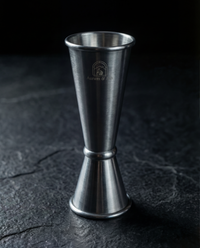
Jigger
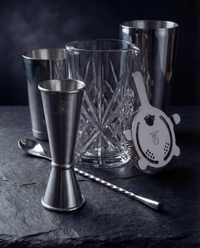
The Full Bar
0 Comments
Keep Reading
More from The Art of Gathering
Fall Cocktails With Better Structure
Fall cocktails need structure, not pumpkin syrup. Use darker spirits, amaro, apple, and spice with restraint.
Bitters Beyond Angostura: Building Your Collection
Bitters are seasoning. Build the collection by use, not by label count.
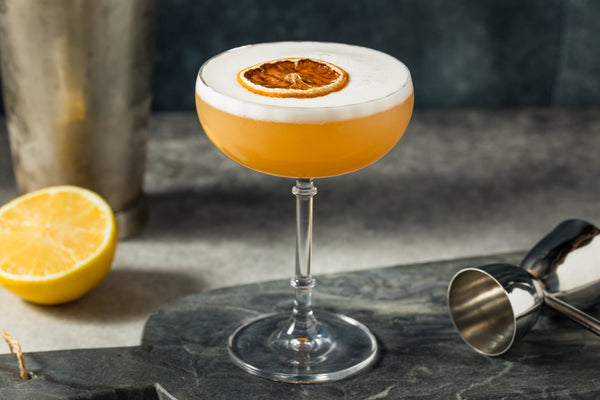
The Dry Shake: When and Why to Use It
A dry shake builds foam before ice chills the drink. Use it when texture is part of the cocktail.