

Bitters Beyond Angostura: Building Your Collection
Bitters are seasoning. Build the collection by use, not by label count.
Angostura is essential. It is not the whole category.
Bitters are seasoning. A dash can tighten a drink, add aroma, or pull two ingredients into agreement. Use them carelessly and they disappear. Use too much and they take over.
Angostura
Start here. Angostura is bitter, warm, spiced, and useful in more drinks than almost anything else behind the bar.
Use it in Old Fashioneds, Manhattans, Champagne Cocktails, rum drinks, and sours that need more depth. If you only own one bottle of bitters, this is the one.
Orange bitters
Orange bitters add citrus aroma without adding juice. They are clean, dry, and especially useful in stirred drinks.
Use them in Martinis, Old Fashioneds, Margaritas, and anything where citrus oil would help but fresh juice would break the structure.
Peychaud's
Peychaud's is lighter, redder, and more anise-forward than Angostura. It belongs in a Sazerac, but it can also work with tequila, rum, and sparkling drinks when used carefully.
Do not treat it like red Angostura. It has its own voice.
Chocolate and mole bitters
Chocolate bitters add depth without turning a drink into dessert. Mole bitters bring spice, cocoa, and warmth.
Use them with aged rum, rye, bourbon, mezcal, and coffee-adjacent builds. Start with one dash. These can get heavy fast.
Aromatic variations
Once the basics are covered, look at celery, grapefruit, cardamom, tiki, or black walnut bitters. Buy them for a drink you actually make, not because the label looks interesting.
A crowded bitters shelf is not a better bar. It is just crowded.
How to build the collection
Buy in order of use. Angostura first. Orange second. Peychaud's if you make Sazeracs or New Orleans-style drinks. Chocolate or mole if you work with aged spirits often.
Then stop and use them. Bitters only teach you something when you compare the same drink with and without them.
Measure by dashes, but pay attention
Dash size changes by bottle and force. Taste the drink. If the bitters are invisible, add one more. If they dominate, you learned where the line is.
0 Comments
Keep Reading
More from The Art of Gathering
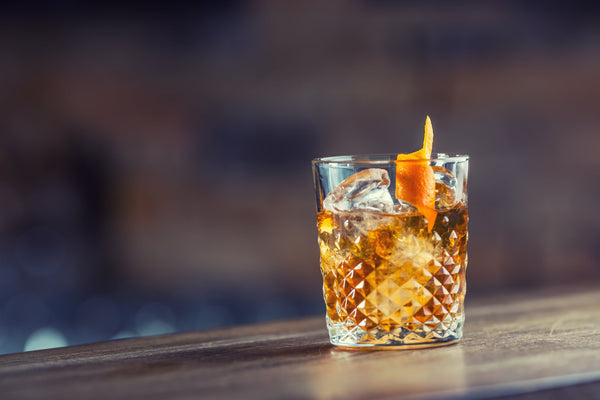
Fall Cocktails With Better Structure
Fall cocktails need structure, not pumpkin syrup. Use darker spirits, amaro, apple, and spice with restraint.
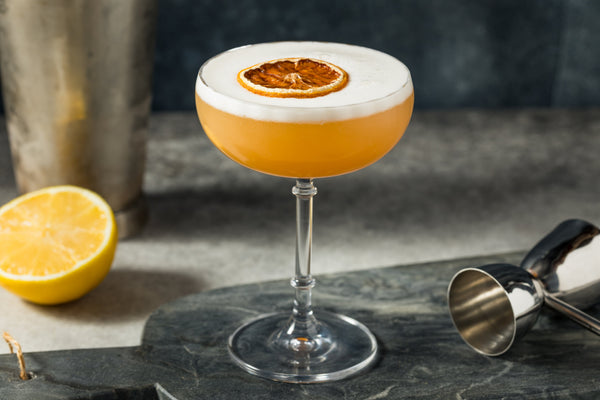
The Dry Shake: When and Why to Use It
A dry shake builds foam before ice chills the drink. Use it when texture is part of the cocktail.
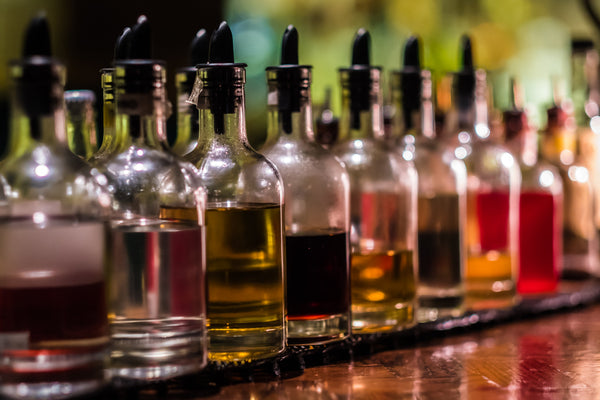
Beyond Simple Syrup: Demerara, Honey, and Orgeat
Sweeteners change texture, aroma, and structure. Simple syrup is useful, but it is not the only tool.